|
Retire Early
Lifestyle
Retirement; like your parents, but way cooler

|
In 1991 Billy and Akaisha Kaderli retired at the age
of 38. Now, into their 4th decade of this
financially independent lifestyle, they invite you
to take advantage of their wisdom and experience. |
|
Comments on
Going Naked; Health Insurance
Billy and Akaisha Kaderli
Greetings,
I read your article about not having a
Health Insurance Policy and using the
wonderful health care available in other
countries at a fraction of the U.S. costs. It sounds like a good idea and paying
out of pocket seems reasonable for regular medical expenses.
My question is, what about a catastrophic
illness like
MS or cancer? I would think that even at the reduced costs overseas
something like that would have the potential to wipe out your nest egg, no? I
was thinking of perhaps getting a
very high deductible catastrophic health plan
just in case.
Thoughts?
Thanks,
Mark
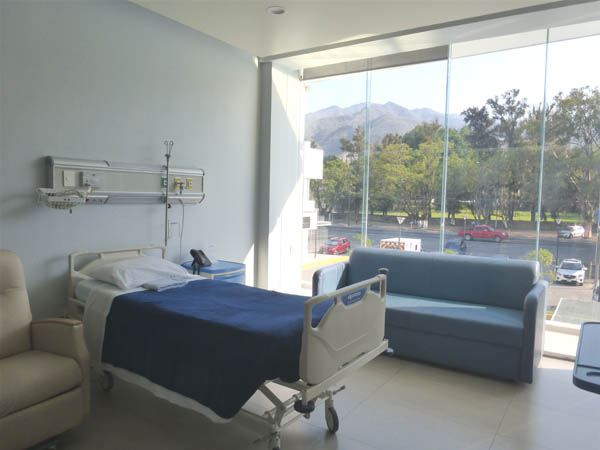
Hospital room in Chapala, Mexico
Hi Mark,
Thanks for taking the time to write. We
appreciate it.
The delivery of health care and how we
choose to pay for it is a challenge and a personal choice.
One thing you might consider is the
difference between paying for the health care itself versus paying for the
insurance to pay for health care.
If you pay for insurance month after month,
year after year without making a claim, then that money has been spent but has
not bought you care. If you put that same amount of money into an account (and
after several years it could be tens of thousands of dollars) and actually
purchase care when you need it, your money would go far — provided you don’t
purchase the delivery of that care in the U.S.
If you have a serious medical condition
like cancer (our
Medical Tourism Page) the
cost of receiving that treatment is much less in countries such as
Thailand,
Mexico, or
Guatemala for example. In this case you would be paying for actual
treatment and care, versus years of paying for an insurance policy for that
insurance company to pay for your treatment and care.
That insurance company would also have the
option of refusing to pay for your (very expensive) treatment in the States or
only paying a portion of your (very expensive) treatment in the States.
Not to mention the enormous paperwork
involved with any sort of hospital stay, doctor visits, pharmaceuticals involved
and so on. If you are the one receiving cancer treatment, most likely you would
need a personal patient advocate to take care of the bureaucracy and your
personal calendar for appointments. Unless you have a family member or spouse to
do this for you, the labor cost for that assistance would be high.
If you have a condition like MS or ever
find that you need live-in help,
purchasing the labor for this is much cheaper
outside the U.S.
Basically it comes down to where you want
to place your money.
I fully understand that having a health insurance policy
that promises Cadillac treatment, covering all costs imaginable brings a certain
peace of mind. That sort of policy is not available to everyone and so most of
us must make other decisions for receiving care.
These decisions are personal and complex
and everyone must choose for themselves.
We had a catastrophic insurance policy for
decades, and ultimately it came down to us paying an awful lot of money for a
product that we weren’t using.
We wish you clarity of mind in deciding
what is best for you.
I hope you found our perspective useful,
and please feel free to write any time.
Best,
Akaisha



Retire
Early Lifestyle appeals to a different
kind of person – the person who prizes their
independence, values their time, and who doesn’t
want to mindlessly follow the crowd.
HOME
Book Store
Retire Early Lifestyle Blog
About Billy & Akaisha
Kaderli
Press
Contact
20 Questions
Preferred
Links
Retirement
Country Info
Retiree
Interviews
Commentary
REL
Videos
|


