|
Retire Early
Lifestyle
Retirement; like your parents, but way cooler

|
In 1991 Billy and Akaisha Kaderli retired at the age
of 38. Now, into their 4th decade of this
financially independent lifestyle, they invite you
to take advantage of their wisdom and experience. |
|
Move
Over Real Estate,
Wall St Now Drives US
Spending
Billy Kaderli
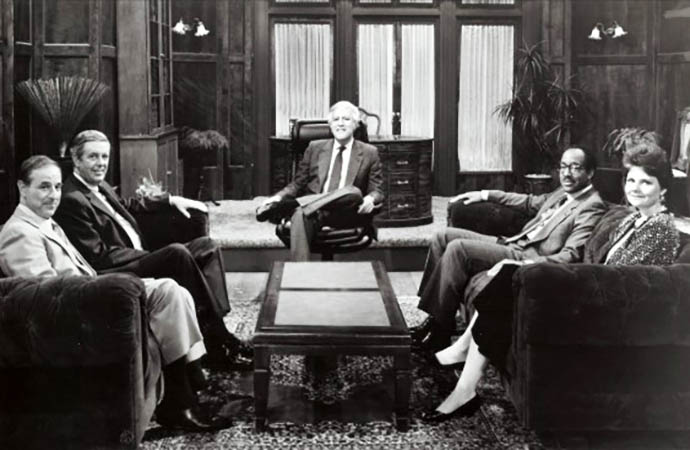
Wall $treet Week with
Louis Rukeyser
I find this information
interesting, and it follows my own situation of wealth growth and spending.
Move Over Real Estate, Wall
St Now Drives US Spending
By Jamie McGeever, Reuters,
9/16/2026
With stocks comprising a
record share of US households’ financial and total assets, this argues they now
drive consumer spending through an alleged “wealth effect,” but that their
volatility could make personal consumption expenditures more erratic. We doubt
it. First, the numbers. Through Q2, equities make up a record high 34% of
households’ total assets, while real estate dropped to a record low share of
32%. As noted, “Even though real estate wealth is still rising, the rate is
nowhere near the pace seen in equity values.” That pace: “Federal Reserve
figures last week showed that household net worth leaped $12.8 trillion in the
April-June period, up 7% from the previous quarter, thanks to a $10.7 trillion
jump in the value of equity holdings. ... In other words, Americans have never
been richer, and it’s largely down to the soaraway stock market.” But does that
make personal consumption vulnerable if stocks slump? Marginally perhaps, but
considering the lion’s share of spending is nondiscretionary—e.g., rent,
healthcare, insurance, utilities, fuel and food—and most spending is funded out
of income, the idea that wealth effects drive consumption falls apart. When real
estate figured more prominently in households’ asset mix, it wasn’t like folks
were broadly selling houses or tapping home-equity lines to buy groceries, pay
utilities and whatnot. We don’t see people selling shares (to any great degree)
for similar reasons, either.
I very much agree with this
piece. Most spending is covered out of income, not assets. Keep that in mind the
next time you hear that the sky is falling and you need to sell equities. Since
I retired in 1991, I’ve lived through two 50% drops and numerous bear markets.
Gut-wrenching, yes—but this is why you need a cash cushion, time, discipline,
and patience.
When I was a broker, real
estate was my biggest competitor. I produced charts showing the ten-year growth
rates of two-, three-, and four-bedroom homes in Santa Cruz, California. Then I
compared those returns with the S&P 500 Index. The index outperformed, with no
real-estate taxes, maintenance, or pride-of-ownership improvements.
The tide of financial
education seems to have shifted toward equities. In the early ’80s, when I
started investing, the only weekly financial television show was Wall $treet
Week with Louis Rukeyser. Now there is 24/7 market news. I find that to be a
great indicator of future growth.
As even more households take
part in the wealth effect of the markets, I am bullish on America.
Billy



Retire
Early Lifestyle appeals to a different
kind of person – the person who prizes their
independence, values their time, and who doesn’t
want to mindlessly follow the crowd.
HOME
Book Store
Retire Early Lifestyle Blog
About Billy & Akaisha
Kaderli
Press
Contact
20 Questions
Preferred
Links
Retirement
Country Info
Retiree
Interviews
Commentary
REL
Videos
|


